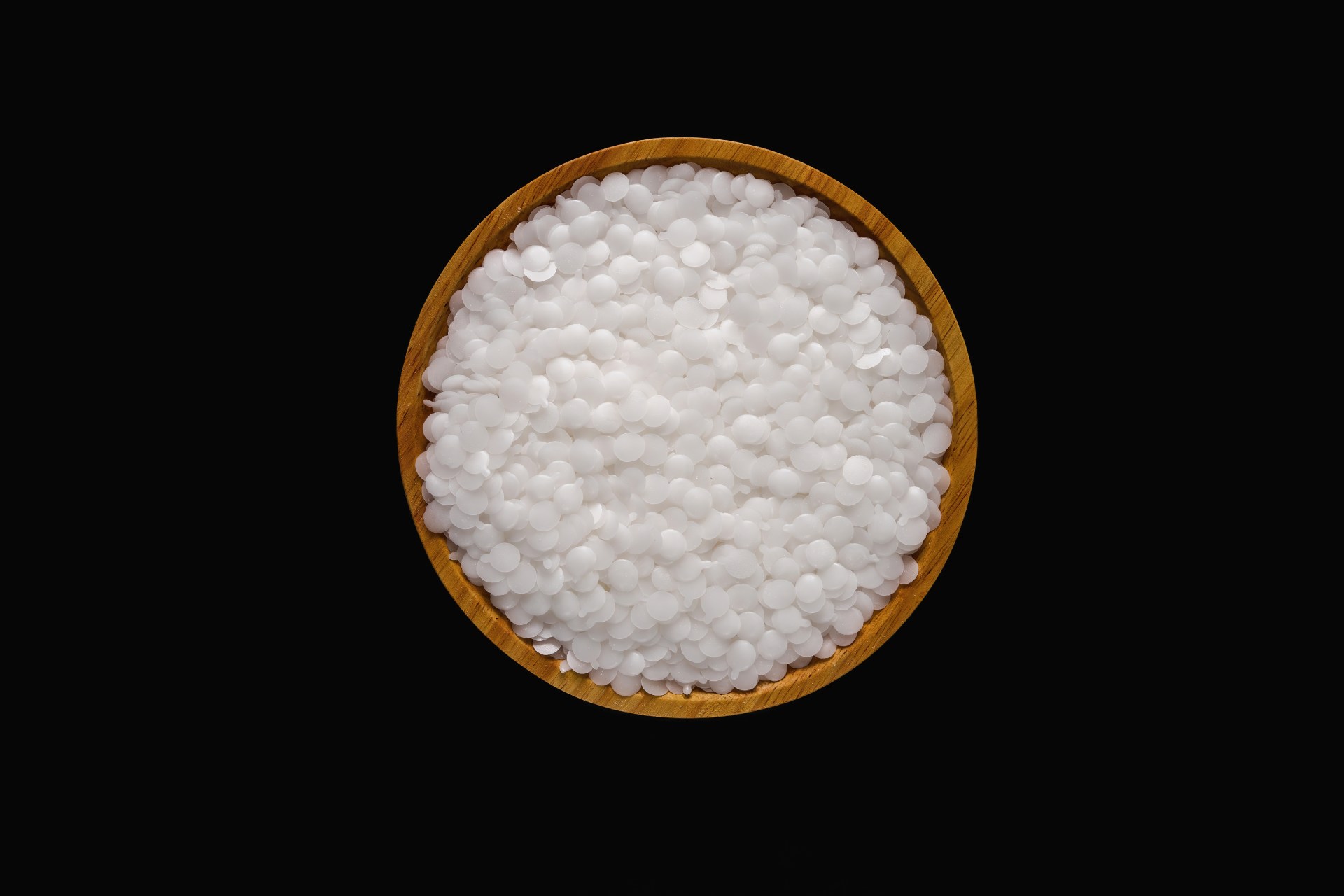
Synthetic waxesare everywhere. They exist in cosmetic products as well as food packing materials and vehicle car polish formulations.
The science community has developed these manufactured products across several platforms, but the primary question we need to address pertains to their safety level for both human skin and environmental protection.
The following article provides solutions to multiple questions about this topic. The piece examinessynthetic waxtypes together with applications along with production methods. The article delves into side effect analysis and environmental consequences ofsynthetic waxes.
Professionals in cosmetics production along with manufacturers looking foralternative waxesneed to join consumers who are interested in product ingredients.
Let's explore the complexities ofsynthetic waxtypes with clarity and insight.

Manufacturers producesynthetic waxesas artificial substances which duplicate natural waxes functionally.
The production process is tailored for specific applications, ensuring broad functionality along with operational efficiency which depends on chemical methods that involve either polymerization or the Fischer-Tropsch method.
Through those production methods, manufacturers gain control over how waxes melt and flow, as well as their primary characteristics, ensuring uniform quality at lower prices than natural waxes do.
The affordably produced and the uniform quality makessynthetic waxesmore desirable than other natural options such ascarnauba wax.
For example, industrial cosmetics needsynthetic waxesto achieve three main functions including both thickness regulation and smoothing properties alongside emollient characteristics, whereas the beauty industry needs them because of their stability and tactile characteristics.
However, it cannot be taken lightly thatsynthetic waxescontinue to face ongoing controversy although their advantages play a crucial role in the market.
People generally express concerns about the effects that these materials might have on our environment and their potential negative reactions.
Evaluation of both positive and negative aspects concerningsynthetic waxesis crucial before their usage decisions are made.
The different synthetic wax products exist in multiple varieties that match specific application needs.
The following overview examines some of the commonly usedsynthetic waxesthat exist in industry:
Manufacturers can easily adaptsynthetic waxesaccording to their requirements, modify molecules according to desired specifications while adjusting melting operations and viscosity to meet different operational requirements.
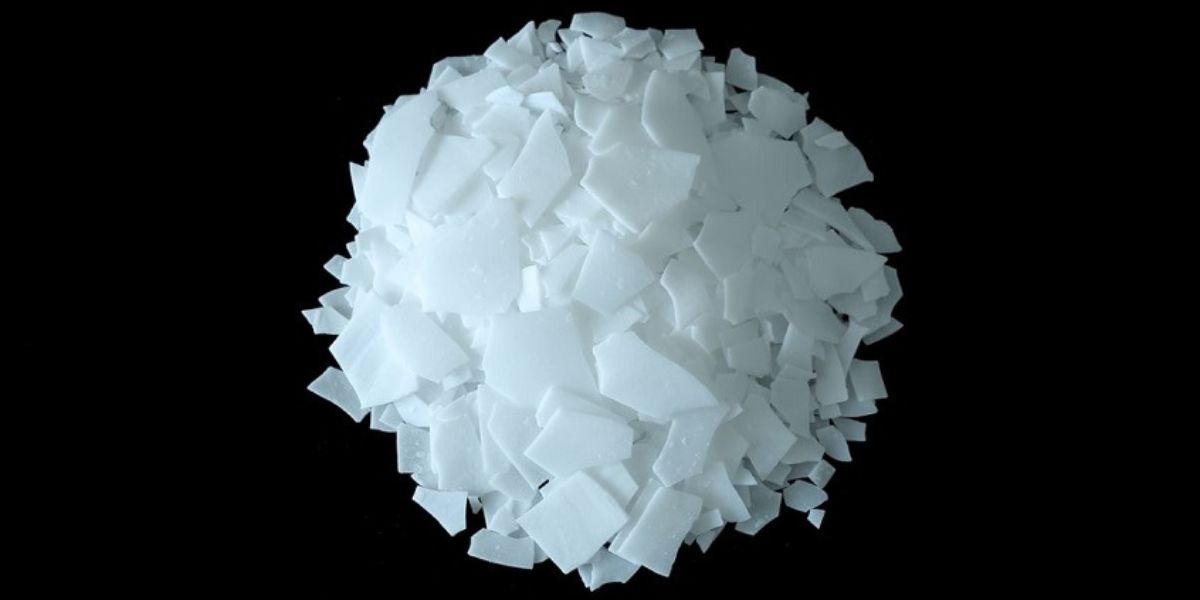
The industrial use of synthetic waxes includespolyethylene waxas a foremost material.
The process required to create this type of wax involves polymerization - a chemical process that links small molecules into long-chain polymers - where the structure ofpolyethylene waxis formed in a way that makes it strong and resistant to break down.
The plastic industry and coatings field choose this wax because of its high melting point combined with its lubricating properties. Under harsh conditions this material stays operational because of its built-in properties.
The packaging sector appreciates polyethylene wax for its application in their operations.
The material demonstrates long-lasting qualities that make it practical throughout several industrial industries as well as common consumer products.
The combination of colorless to pale appearance and high resolution makespolyethylene waxan essential material for multiple industrial operations.
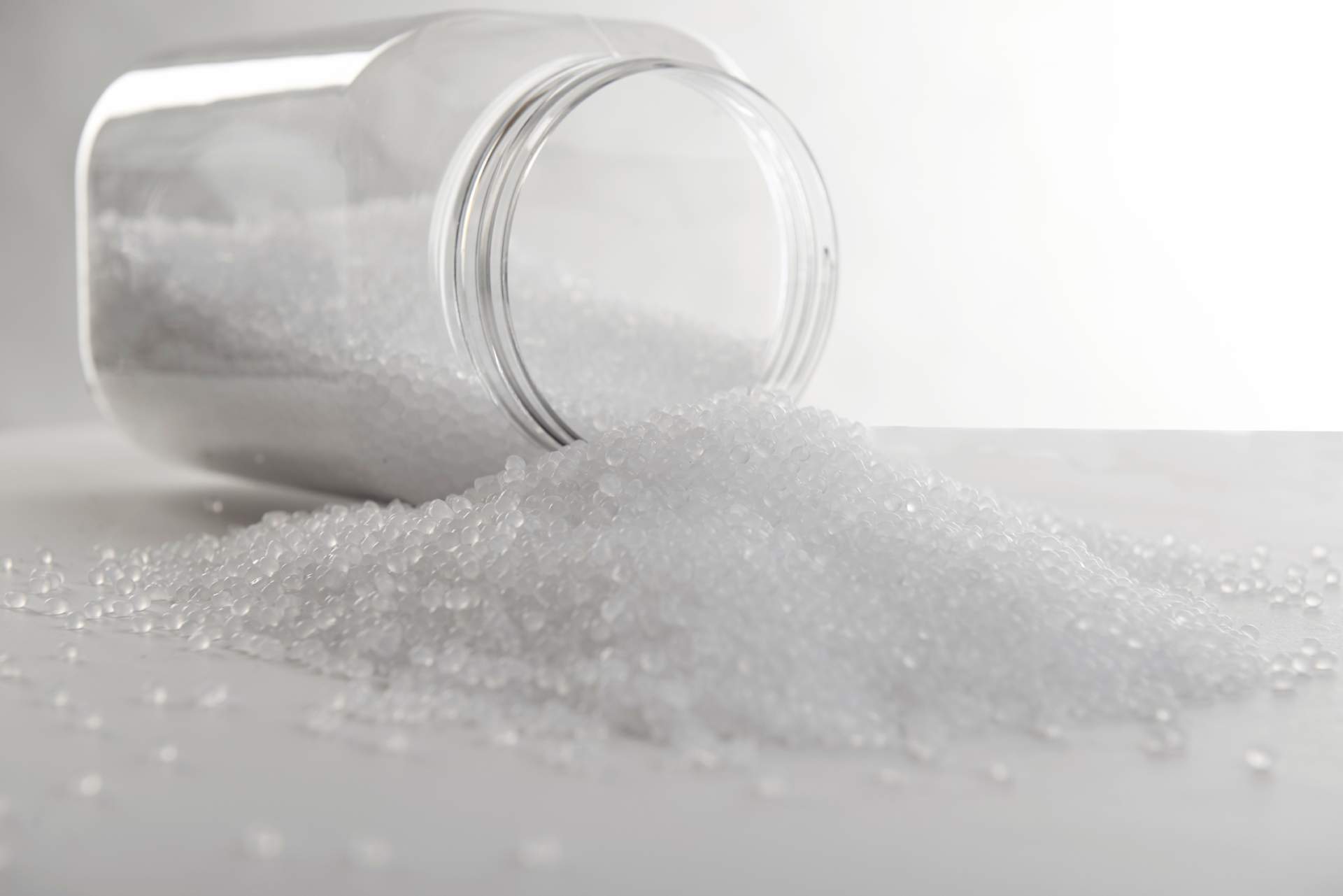
Product textures become stronger through the addition ofPolypropylene wax.
This type of synthetic wax operates as an efficient consistency controller due to its adaptable nature.
Polypropylene waxplays an important role in adhesives and sealants because it enhances both durability and flexibility.
Building materials and packaging industries find this particular wax beneficial because of its usefulness.
Under different temperature conditions polypropylene enables products to keep their stable form because of its flexible nature, and because it is budget-friendly and readily available it offers price benefits to users.
Industrial chemical synthesis generatesFischer-Tropsch waxas a final product. Due to its unmatched purity and consistency this type ofsynthetic waxcan be widely applied.
Industry conversion of gas into liquid produces a product that delivers reliability through cleanliness.
Fischer-Tropsch waxplays an essential role in industries that need precise output standards.
The cosmetics industry finds this particular wax beneficial because it delivers exceptional blending performance along with excellent texture qualities.
High-quality goods require the consistent quality delivered by this material. Modern synthetic progress has achieved this wax as a result of quality achievement combined with efficiency.
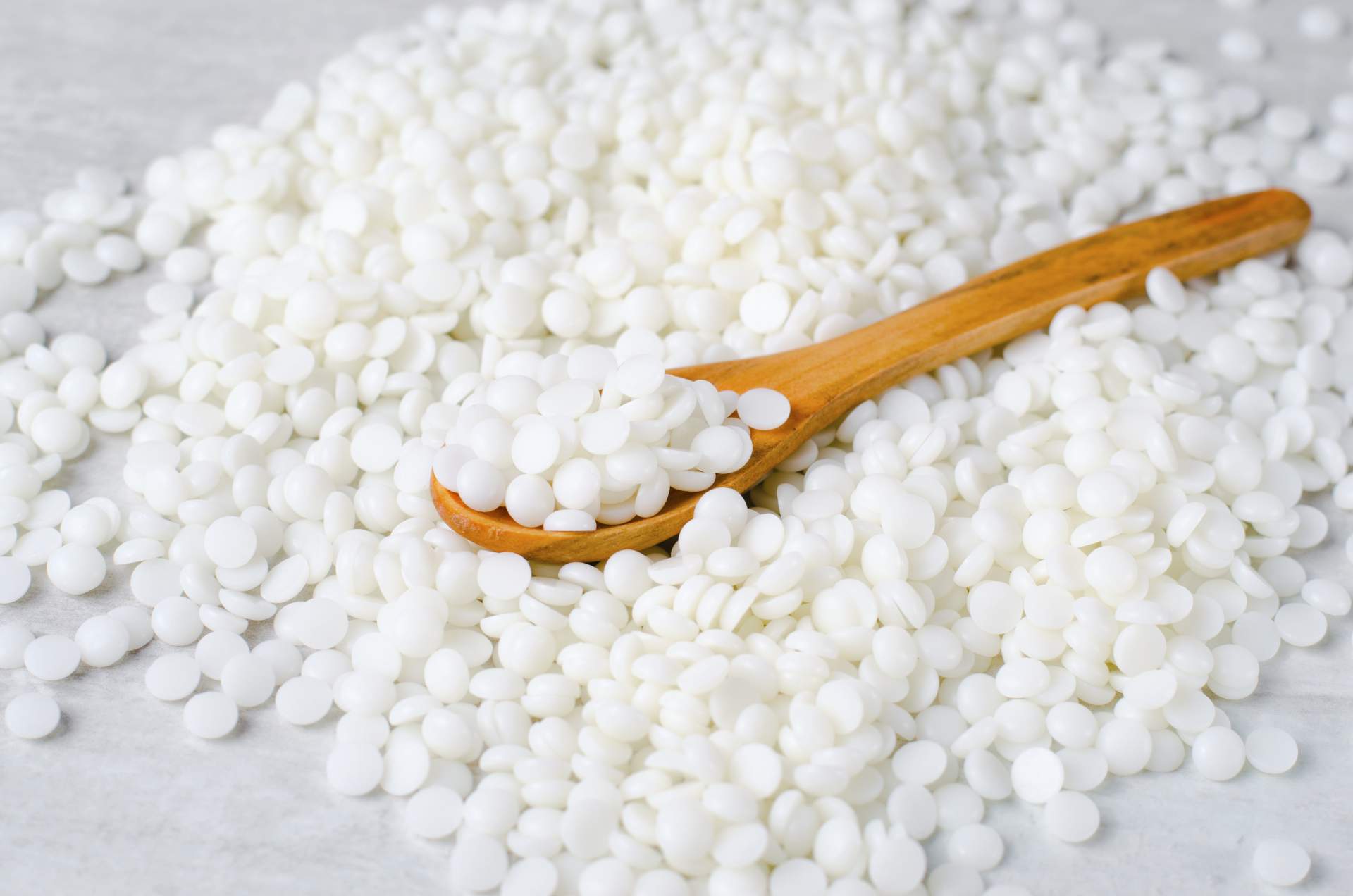
Often there is discussion ofsynthetic waxesversusnatural wax.
Both have their own advantages, though they both can be chosen based on certain applications and preferences.
Purified and simple,natural waxeslikebeeswax aremuch praised. Quality however is inconsistent, and also more expensive.
Despite that, synthetic waxes provide the quality of uniformity and also cost efficiency, which means they can be engineered to satisfy specific needs and therefore highly versatile in many products.
Consumers consider safety to be their primary concern when dealing withsynthetic waxproducts. Even so, products derived from or produced withsynthetic waxesshow general safety characteristics during cosmetic and skincare product applications.
The FDA together with other regulatory bodies works to verify that manufactured products meet said safety requirements.
The application of products produced with this type of wax can trigger side effects although these effects mainly affect people with sensitive skin. Furthermore,synthetic waxmay cause skin irritation primarily affecting people sensitive to wax materials due to allergies.
 Plant: Strada Quaglia, 26 - 10026, Santena (TO)Offices: NEXTTO Polo Uffici Lingotto
Legal address: Via IV Novembre 30 - 12025, Dronero (CN)
VAT: IT05583420012
ser@cere.it+39 011 94 555 11LinkedinAn Group Company